


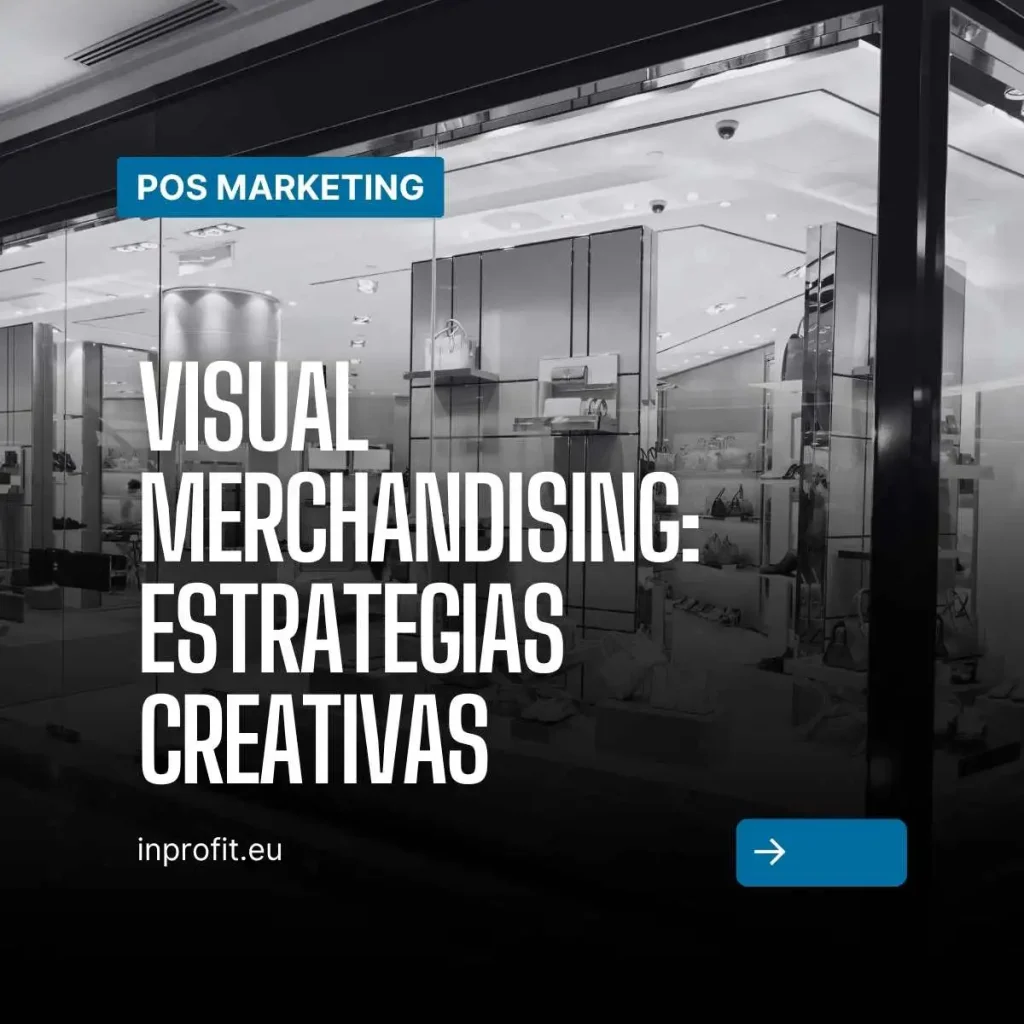
It is a strategic tool that combines creativity, consumer psychology and marketing techniques to influence purchasing decisions.
In this article, we will explore how marketers can leverage visual merchandising to stand out in a competitive marketplace, with innovative ideas, practical examples and strategies optimized for today’s environment.
If you are looking for ways to engage your customers and increase sales, read on!
What is Visual Merchandising in retail?
El visual merchandising se define como el arte y la ciencia de presentar productos de manera atractiva para maximizar las ventas en retail. No se trata solo de estética, sino de crear experiencias que conecten emocionalmente con los consumidores. En 2026, con la creciente influencia de las compras omnicanal y la experiencia del cliente como prioridad, el visual merchandising se ha convertido en un pilar clave para los profesionales del marketing.
Importance of Visual Merchandising
- Attracts attention: A well-designed window display can stop a passerby in seconds.
- Reinforce brand identity: The visual layout communicates the values and personality of your brand.
- Increases sales: A strategic presentation can increase impulse purchases by up to 20%, according to recent studies.
- Enhance the customer experience: A visually appealing environment creates an emotional connection that fosters loyalty.
Primary keyword: Visual Merchandising
Secondary keywords: Attractive window displays, customer experience, marketing strategies, store design, consumer psychology.
Creative trends in Visual Merchandising for 2026
El mundo del marketing evoluciona constantemente, y el visual merchandising no es la excepción. Estas son algunas tendencias innovadoras que los profesionales del marketing deben considerar para destacar:
1. Immersive and Narrative Showcases
Storefronts are no longer just window displays; they are stories that invite the customer to immerse themselves in the brand. For example, a sportswear store might recreate a mountain scene with mannequins in action, using lights and sounds to simulate a natural environment. This not only attracts attention, but connects emotionally with adventure-seeking consumers.
Consejo práctico: Usa elementos sensoriales (luces, aromas, sonidos) para crear una narrativa que refleje los valores de tu marca. Por ejemplo, una tienda de café podría usar aromas de granos tostados para atraer a los transeúntes.
Interactive Technology
La tecnología está transformando el visual merchandising. Pantallas táctiles, realidad aumentada (RA) y espejos inteligentes permiten a los clientes interactuar con los productos de manera innovadora. Por ejemplo, Sephora ha implementado espejos de RA que permiten a los clientes probar maquillaje virtualmente antes de comprarlo.
Example: A fashion store could install a virtual fitting room where customers scan a QR code to see how a garment fits without physically trying it on.
3. Sustainability as a protagonist
In 2026, consumers value brands that are committed to the environment. Sustainable visual merchandising uses recycled materials, energy-efficient LED lighting and minimalist designs to convey an eco-friendly message. For example, Patagonia uses window displays with reused materials to reinforce its commitment to sustainability.
SEO tip: Include keywords such as “sustainable visual merchandising” or “eco-friendly store design” to capture searches related to green trends.
4. Visual Personalization
La personalización es clave en el marketing moderno. Los minoristas están utilizando datos para crear experiencias visuales adaptadas a su público. Por ejemplo, una tienda podría cambiar su escaparate según la temporada o las preferencias locales, como colores vibrantes para un público joven o tonos sobrios para un mercado más formal.
Key Fact: According to a McKinsey study, 71% of consumers expect personalized experiences, and visual merchandising is an effective way to achieve this.

Practical POS Marketing strategies
Now that we know the trends, let’s look at how to implement effective visual merchandising strategies that drive sales and strengthen the brand.
1. Apply color psychology
Colors influence emotions and purchasing decisions. For example:
- Red: Stimulates urgency, ideal for promotions.
- Blue: Conveys confidence, perfect for luxury brands.
- Green: Evokes sustainability and freshness, ideal for organic products.
Tactic: Use colors that reflect your brand identity and combine them with strategic lighting to highlight key products.
2. Optimizes product layout
The arrangement of products in the store should guide the customer on a natural path. The “golden triangle” technique (placing key products in the center and sides of the store) maximizes visibility. Also, make sure that star products are at eye level.
Practical tip: Change the layout every two weeks to maintain freshness and encourage exploration.
3. Create focal points
A focal point is an area designed to capture immediate attention. It can be a window display with a prominent mannequin, a digital screen or an interactive display. For example, Nike uses dynamic mannequins in action poses to capture the attention of passersby.
SEO tactic: Use keywords such as “attractive storefronts” or “in-store focal points” in subheadings and text to improve rankings.
4. Integrates digital and physical elements
Omnichannel visual merchandising combines the physical and digital. For example, a store can use QR codes on window displays that direct customers to an online experience, such as a video about how the product is made. This creates a seamless connection between the physical and digital store.
Example: Zara has implemented interactive screens in its stores that display digital lookbooks, inspiring customers to buy complete combinations.
Common mistakes in supermarket marketing and how to avoid them?
Incluso los profesionales del marketing pueden cometer errores al implementar acciones de marketing en espacios como supermercados. Aquí algunos comunes y cómo solucionarlos:
- Visual saturation: Too many elements in a store window confuse the customer. Solution: Adopt a minimalist approach, highlighting only one or two key products.
- Lack of consistency: If the design does not reflect the brand identity, customers may be turned off. Solution: Make sure colors, materials, messages and even scents are consistent with your branding.
- Ignoring the target audience: A storefront aimed at teenagers won’t work for a luxury audience. Solution: Research your audience and personalize the experience.
Marketing Agency
Visual merchandising is a powerful tool for marketers looking to stand out in a competitive marketplace.
By combining creativity, technology and consumer psychology, you can transform a simple store into a memorable experience that drives sales and strengthens customer loyalty.
Implement the trends and strategies we’ve explored, from immersive storefronts to interactive technology.
Ready to take your visual merchandising to the next level? Share your ideas or experiences with us and start designing experiences that captivate your audience!