

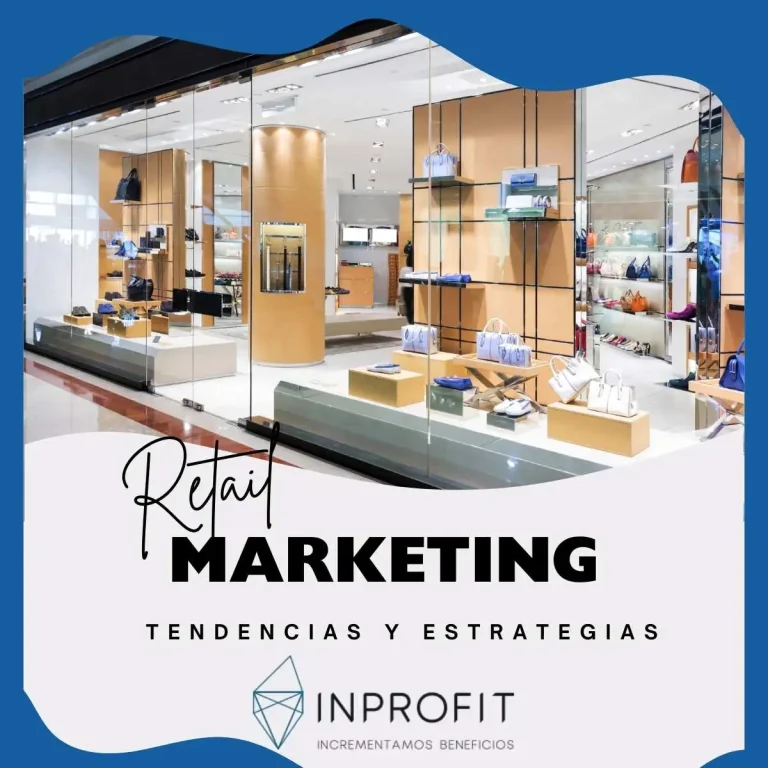
This market dynamism has created a breeding ground for creativity and innovation, forcing brands to think outside the box and implement strategies that not only attract attention, but also create genuine connections with consumers. From integrating advanced technologies such as augmented reality and artificial intelligence to focusing on sustainability and ethics, brands are exploring new frontiers to differentiate themselves and capture customer loyalty.
In this post, we’ll dive into the latest trends and most effective marketing and advertising solutions that are redefining retail. We’ll explore how these innovations are not only changing the way brands interact with their customers, but also how they are shaping the future of commerce. Get ready for a journey through strategies that combine technology, creativity and a deep understanding of human behavior, all designed to create shopping experiences that are memorable, personalized and, above all, effective.
Retail marketing strategies
In the fast-paced world of retail, marketing and advertising trends change rapidly, continually adapting to new technologies, consumer behaviors and economic conditions. For FMCG brands and outlets, keeping up with these trends is not just an option, but a vital necessity to stay competitive and relevant. In this post, we will explore the latest trends and effective marketing and advertising solutions that are transforming the retail sector.
1. Scale Customization
One of the most impactful trends in retail marketing is personalization on a grand scale. Today’s consumers expect shopping experiences to be personalized to their tastes and needs. This means brands must use data and advanced analytics to better understand their customers and deliver products, offers and communications that are truly relevant to each individual. Tools such as artificial intelligence and machine learning are enabling retailers to analyze vast amounts of shopping behavior data to personalize their offerings in real time.
2. Omnichannel experience
Omnichannel integration remains crucial. Modern consumers interact with brands across multiple platforms and channels, both online and offline, and expect a cohesive and seamless experience across all of them. Retailers are investing in technology that enables a unified view of the customer, which helps create a consistent shopping experience, whether the customer is shopping online from mobile, ordering through an app or visiting a physical store.
3. Augmented Reality and Immersive Experiences
Augmented reality (AR) is beginning to have a significant impact on retail. For example, some fashion stores already allow customers to “try on” clothes virtually before buying them. This not only improves the customer experience, but can also reduce return rates. In the home and décor sector, consumers can see how furniture would look in their space before making a purchase, thanks to AR.
4. Sustainability as a Marketing Strategy
Sustainability has become a powerful marketing tool. Consumers are increasingly aware of the environmental impact of their purchases and prefer brands that demonstrate a commitment to sustainable practices. This has led many retailers to adopt greener strategies, such as reducing packaging, using recyclable materials or investing in green logistics. Communicating these initiatives effectively can strengthen customer loyalty and appeal to an environmentally conscious market segment.
5. Artificial Intelligence to Improve Customer Experience
Artificial intelligence (AI) is revolutionizing retail, from inventory management to customer service. AI-powered chatbots, for example, can handle customer queries efficiently around the clock, providing instant, personalized responses that improve customer satisfaction. In addition, AI can predict buying trends and optimize product recommendations for users on e-commerce platforms.
6. Programmatic Advertising Strategies
Programmatic advertising in retail allows brands to target consumers with extraordinary precision, using data to segment audiences and deliver ads in real time to the users most likely to buy. This technology not only optimizes advertising budgets, but also improves the relevance of ads to consumers, resulting in higher conversion rates.
7. Influencer Marketing for Greater Reach and Authenticity
Influencer marketing remains a key strategy for retailers, especially on social media platforms where influencers can share authentic experiences and product recommendations with engaged communities. The key is to collaborate with influencers whose followers align with the brand’s target audience.
Conclusion
To stay relevant in the changing world of retail, it is critical to embrace these marketing and advertising trends and solutions. It’s not just about adopting the latest technology, but also about understanding and responding to changing consumer expectations. By doing so, brands can create more engaging and effective shopping experiences that not only attract customers but also foster long-term loyalty.
If you are interested in exploring how these trends can transform your business, don’t hesitate to contact us. Our team is ready to help you navigate the future of retail with effective, customized marketing and advertising solutions.

Marketing tecnológico en vena. Fanático de las tecnologías Martech que rompen moldes: IA generativa, blockchain, no-code, metaverso, automatización extrema… Convencido de que el futuro no se espera, se construye (y se vende muy bien).
Responsable del marketing más disruptivo y tecnológico.