


For companies and marketing agencies looking to stay ahead of the curve, it is crucial to anticipate trends and channel their investments into the platforms and strategies that offer the highest return on investment (ROI).
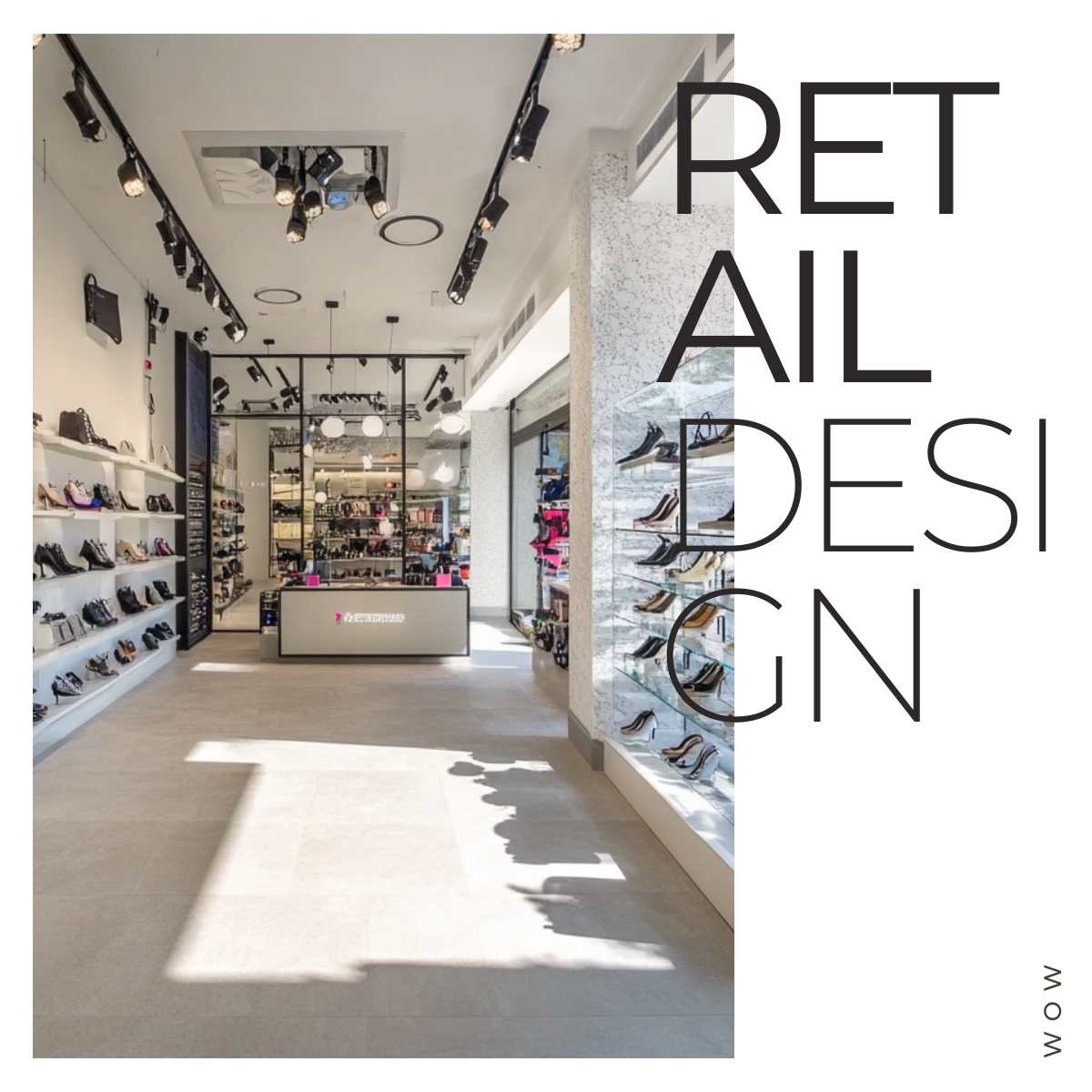
Retail Architecture and Interior Design: Designing Experiences
The design of the space where consumers interact with products and services not only influences aesthetics, but also conditions perception, emotions and, ultimately, purchasing decisions. Physical stores, far from disappearing in the digital age, have evolved into spaces that offer immersive experiences, integrating technology, creativity and functionality. Design as a Commercial Strategy Architectural design in retail is not merely a decorative decision; it is deeply linked to the business strategy. Every element, from furniture layout to lighting, has a specific purpose: to guide the customer, to highlight products, to facilitate the journey and, above all, to convey the brand’s values. It is no coincidence that luxury brands such as Chanel or Apple devote significant efforts to the design of their stores, using the space as a means to tell stories and connect emotionally with their audience. A well-designed store has the ability to transform the act of shopping into a memorable experience. Brands must consider key questions: What feeling do we want the customer to experience upon entering? What emotions do we want to evoke? How can we make our store a destination, beyond a point of sale? The answer to these questions defines the design direction and ensures that the physical space becomes a tangible extension of the brand identity. Interior design and consumer psychology Retail interior design goes far beyond colors and materials; it involves a deep understanding of consumer psychology. People react differently to certain visual, tactile and olfactory stimuli. For example, warm lighting can generate a sense of comfort and exclusivity, while cooler lighting can be associated with modernity and efficiency. Colors also play a crucial role. Soft, neutral tones tend to evoke tranquility and confidence, ideal for fashion boutiques or luxury spaces, while vibrant colors such as red or yellow can stimulate energy and urgency, being more appropriate for technology stores or promotions. On the other hand, the use of natural materials such as wood or stone can communicate sustainability, a growing trend in conscious consumption. The senses play a vital role in retail interior design. Ambient music, specific aromas or even the texture of the furniture contribute to the multisensory experience that defines whether a customer feels welcome and comfortable, or if, on the contrary, they feel like leaving the space quickly. This is where design and strategy merge masterfully. The influence of technology on the design of commercial spaces Technology has radically transformed retail and, with it, the design of retail spaces. Today’s consumers expect a level of interaction that combines the physical and the digital, which has given rise to concepts such as “phygital.” In this sense, designers and architects must consider how to integrate technological elements into the space without compromising aesthetics or functionality. For example, interactive mirrors, smart fitting rooms or touch screens allow customers to personalize their shopping experiences. Augmented reality applications are also gaining popularity, allowing consumers to visualize how a product would fit into their environment before purchasing it. These types of innovations not only improve the user experience, but also increase the time customers spend in the store, which can translate into higher sales. However, technology integration must be done with care. It is not about flooding the space with devices, but using them strategically to enhance the customer experience and reinforce the brand narrative. The role of design in the creation of communities Beyond the commercial transaction, stores are starting to become meeting and connection points. Spaces designed for events, workshops or simply for socializing are taking center stage, especially for brands that want to build a loyal community around their values. This approach not only builds customer loyalty, but also amplifies the brand’s reach through shared experiences. For example, a clothing store that offers styling classes or a bookstore with a space dedicated to group readings transcend their original function to become destinations in themselves. This type of design elevates the store to a place where customers not only consume products, but also ideas, values and culture. Trends in architecture and interior design in Retail The retail sector is constantly evolving, and with it, design trends. Today, sustainability and minimalism dominate the preferences of many brands. Consumers increasingly value spaces that reflect a commitment to the environment, using recycled materials, renewable energy sources and designs that minimize environmental impact. On the other hand, “instagrammable” design is also setting trends. Spaces with photogenic corners not only attract customers, but also become a free marketing tool when users share their experiences on social media. This strategy is especially effective for brands looking to connect with a young, digitally active audience. The future of retail will be marked by personalization. Tomorrow’s stores could automatically adapt to the tastes and preferences of each customer through the use of data and predictive analytics. This level of personalization will require an innovative approach to design, where flexibility and adaptability will be key. Here are some outstanding trends in sensory interior design: Conclusion Retail architecture and interior design are no longer a simple support for sales, but a strategic pillar in building brands and connecting with consumers. Every detail, from the layout of the space to the integration of technology, has a direct impact on how customers perceive the brand and their willingness to engage with it. Designing for retail is designing experiences. It is to understand that a store is not just a place to shop, but a space where emotions, values and stories converge to create something unique and memorable. In a world where consumers are looking for more than just products, design becomes the most powerful tool to offer what really matters: experiences that leave an impression. Sara PérezSocial Media Manager con alma de exploradora digital. Obsesionada con comunidades que crecen solas y estrategias que rompen moldes. Fan del viral marketing 2.0 y experiencias inmersivas.

Storytelling in a digital world
Storytelling has become the essential tool for brands looking to stand out and connect emotionally with their audiences. But traditional storytelling is no longer enough.

TikTok Shop: The New Trend in Social Ads
TikTok is no longer just an entertainment platform but a powerful sales channel.

Advertising on Instagram and Facebook: Advanced Strategies for Marketers
Instagram and Facebook, both owned by Meta, have revolutionized digital advertising by offering marketers the ability to reach millions of users with highly targeted and visually impactful campaigns. Not only have they proven to be powerful for promoting products and services, but they also offer advanced measurement and optimization capabilities.

Street Marketing: 9 examples of urban branding
Street marketing bursts in like a breath of fresh air, injecting creativity and surprise into the heart of cities. This approach, focused on direct marketing tactics in public spaces, offers a unique opportunity to create emotional and lasting connections with the audience.

What’s new in social media advertising: Social Ads
In this blog, we will explore in detail what’s new and trending in the world of Social Ads and how companies can leverage these opportunities to connect with their customers in a more effective and authentic way.

Why is branding so important today?
A powerful branding strategy, above all, makes the difference between the rest of the competitors, which is why well-known brands such as Apple, Nike and Starbucks are so successful today.

VSEO: Optimization and positioning for video
Looking for an effective way to reach new audiences and expand your digital marketing efforts? Look no further, VSEO (video search engine optimization) is a powerful search engine tool.

Optimization of Social Ads campaigns: the key to success
Social Media advertising can be complex if you don’t know how to use it, so we’ll explain exactly what you need to know about it!