

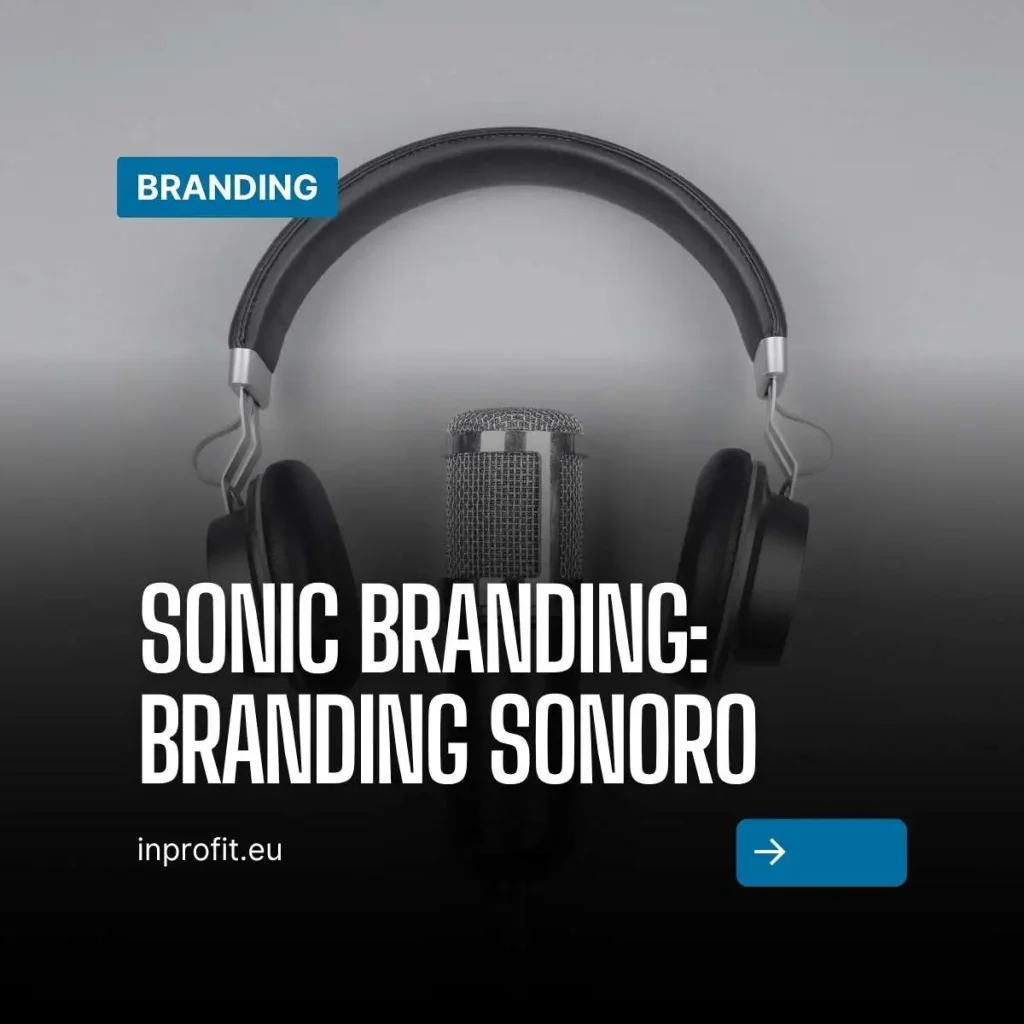
In a world saturated with visual stimuli, where screens compete for every millisecond of our attention, sound emerges as an underestimated but powerful channel to connect with audiences.
Sonic Branding, or the strategic construction of a sound identity, is not just an aesthetic complement: it is a discipline that combines neuroscience, acoustic psychology and advanced technology to shape perceptions, generate memories and differentiate brands in hyper-competitive environments.
This article doesn’t just explore what Sonic Branding is, but unravels its technical architecture, its disruptive applications and how brands can leverage it to hack into the consumer’s mind without the consumer even noticing.
Why does sound matter more than you think?
The human brain processes sound 10 times faster than images, according to research in auditory neuroscience. While a logo requires milliseconds to be interpreted, a signature sound – such as the iconic “bong” of a device turning on – can evoke an emotional response in as little as 100 milliseconds. This processing speed makes Sonic Branding a strategic tool for brands looking to anchor themselves in the long-term memory of their audiences. But it’s not just a catchy jingle; it’s precision engineering that aligns frequencies, timbres and rhythmic patterns with a brand’s values.
Imagine an environment where the consumer is bombarded by stimuli: notifications, advertisements, digital interfaces. Sound, being omnidirectional, does not require the user to “look” to make an impact. This makes it a privileged channel for environments such as voice assistants, immersive virtual reality experiences or even physical touch points, such as smart stores. The question is not whether sound matters, but how you can control its impact so that your brand literally resonates in the consumer’s mind.
The anatomy of a Sonic DNA
The Sonic Branding is not an exercise in random creativity; it is a science based on a Sonic DNA or sound DNA. This concept encapsulates the acoustic essence of a brand, defined by elements such as tempo, tonality, texture and dynamics. But how is this DNA constructed? This is where a technical process that combines data analysis, sound design and psychophysiological testing comes into play.
First, a semiotic analysis of the brand is performed: What emotions should it evoke? Is it bold and disruptive, or calm and reliable? From there, sound elements are designed to reflect these qualities. For example, a cutting-edge technology brand might opt for synthetic tones with high frequencies and rhythmic pulses, while a luxury brand might lean toward orchestral chords with low resonances. Tools such as spectrograms and sound wave analysis allow sound engineers to map these decisions with surgical precision.
In addition, artificial intelligence technology is revolutionizing this process. Machine learning algorithms can analyze thousands of sound pieces to identify patterns that resonate with specific audiences, optimizing emotional impact. For example, an AI system can predict how a musical interlude of a just fifth might evoke confidence, while an interval of a minor second might generate tension. This level of granularity makes Sonic Branding as technical a marketing tool as a recommendation algorithm.
The frontier of immersive sound
Forget the jingles of the 90s. Modern Sonic Branding transcends traditional formats and moves into multi-sensory experiences. In 2025, brands are integrating their sonic identity into environments such as augmented reality (AR), virtual reality (VR) and AI-powered voice assistants. For example, a sound logo can dynamically adapt according to context: a more energetic tone in a video ad, or a minimalist version on an IoT device. This approach, known as adaptive sonic branding, uses real-time audio processing technologies to modulate sound according to the medium or the user’s emotional state.
Another disruptive advance is the use of spatial audio or 3D audio; with the popularization of headphones with surround sound capabilities, brands can create immersive experiences that position sound in a three-dimensional space.
Imagine entering a virtual store where the brand’s Sonic DNA surrounds you from different angles, guiding your attention to specific products. This level of sophistication requires not only sound design, but also integration with technologies such as WebXR or audio engines such as Wwise.
Hacking Memory: The Psychology Behind Sound
Sound is not just heard; it is felt. Studies in acoustic psychology show that sounds with certain frequencies can trigger physiological responses, such as an increase in heart rate or the release of dopamine. Brands that dominate the sound brand image not only seek to be recognizable, but also to generate an unconscious emotional bond. For example, a sound with a soft attack and harmonic resolution can evoke calm, ideal for wellness brands, while a syncopated rhythm can generate urgency, perfect for flash sales campaigns.
Auditory memory also plays a crucial role. The phenomenon known as earworm – when a sound gets “stuck” in your head – is no accident. Branding specialists use principles of repetition and simplicity to maximize retention. But here’s the twist: repetition should not be monotonous. The key is to create subtle variations that maintain freshness without losing cohesion. This requires a delicate balance, backed by A/B testing and emotional response analysis on test audiences.
Sonic Branding in the age of hyper-personalization
In a world where consumers expect personalized experiences, sound branding is evolving towards hyper-personalization. Thanks to integration with real-time data, brands can adapt their sound identity according to the user’s profile. For example, a streaming platform could modify its sound logo according to the user’s favorite genres: an electronic touch for EDM fans, or an acoustic riff for folk lovers. This not only increases relevance, but also strengthens the emotional connection.
Hyperpersonalization also extends to physical touchpoints. In smart stores, IoT sensors can detect a customer’s presence and trigger a personalized soundscape based on their shopping history. This level of integration requires a robust technology infrastructure, from cloud databases to directional audio systems, but the results are undeniable: a brand experience that feels unique and memorable.
The technical challenges of implementing an effective sonic branding strategy
Creating a sonic identity is not just art; it’s engineering. One of the biggest challenges is ensuring consistency of Sonic DNA across multiple platforms and devices. A sound logo that sounds impeccable on high-end headphones can lose impact on a low-quality speaker. This is where audio compression techniques and optimization for different codecs, such as AAC or MP3, come into play without sacrificing the integrity of the sound design.
Another challenge is the saturation of the sound environment. In a world where consumers are exposed to hundreds of daily auditory stimuli, standing out requires precision. Brands must invest in audibility testing in noisy environments, using tools such as white noise simulators or acoustic interference analysis. In addition, data regulation, such as GDPR, poses challenges for sound personalization based on user data, demanding an ethical and transparent approach.
Artificial intelligence driving sound
Sonic branding is on the cusp of a revolution driven by artificial intelligence and advanced signal processing. On the horizon, we see systems that not only design sounds, but adapt them in real time based on emotions detected by wearables or facial recognition cameras. Imagine a sound logo that changes tone according to your mood, or a soundscape in a video game that evolves according to your decisions in the narrative.
In addition, convergence with technologies such as blockchain could enable brands to protect their Sonic DNA as intellectual property, ensuring that it is not replicated without authorization. This level of innovation not only elevates Sonic Branding to the status of a strategic asset, but positions it as a key differentiator in the attention economy.
Sound as a competitive weapon
Sonic Branding is not a luxury; it is a necessity for brands looking to stand out in a world where attention is the scarcest resource. By combining neuroscience, cutting-edge technology and creativity, brands can build sonic identities that are not only heard, but felt and remembered. The question is not whether your brand needs Sonic DNA, but whether you can afford to ignore it in an environment where every millisecond counts. Are you ready to make your brand resonate?

Marketing tecnológico en vena. Fanático de las tecnologías Martech que rompen moldes: IA generativa, blockchain, no-code, metaverso, automatización extrema… Convencido de que el futuro no se espera, se construye (y se vende muy bien).
Responsable del marketing más disruptivo y tecnológico.